The Soul Of Music Culture
Our History
The Historic Big 10 Ballroom, located in Tulsa, Oklahoma, was a significant cultural and musical hub, particularly during the mid-20th century. Established in 1948, it quickly became a cornerstone of the African American community and a prominent venue on the Chitlin' Circuit, which comprised a network of performance spaces that were safe for Black entertainers during segregation. The ballroom hosted legendary artists such as B.B. King, Ray Charles, Ike and Tina Turner, and James Brown, contributing to its reputation as a vibrant center for jazz, blues, and R&B music. Beyond entertainment, the Big 10 Ballroom served as a community gathering place, fostering social connections and cultural expression. Despite its decline and eventual closure in the late 1960s, efforts have been made in recent years to restore and preserve the venue's legacy, recognizing its historical significance and impact on both local culture and the broader narrative of American music history.
Timeline of Excellence
40's
- Count Basie
Count Basie was a pioneering jazz bandleader and pianist whose swing band defined the era. His performances brought the excitement and sophistication of Harlem’s Savoy Ballroom direct to Tulsa, inspiring local musicians and dancers. - Ella Fitzgerald
Ella Fitzgerald, already famous for her pure tone and impeccable phrasing, brought star power to the Big 10 Ballroom. At the Big 10 Ballroom, she would have wowed audiences with classics like “A-Tisket, A-Tasket” and "Sophisticated Lady". Her stops at venues like the Big 10 were part of an essential touring network for Black artists in segregated America, building her fanbase and community connections. - Lionel Hampton
A virtuoso vibraphonist and energetic bandleader, Hampton’s shows were famous for their showmanship. Hampton’s performances at the Big10 Ballroom were electrifying, combining jazz with early rhythm and blues.
- Muddy Waters
Muddy Waters was at the forefront of transforming Delta blues into the electrified Chicago blues that would change American music. His Big 10 Ballroom performances introduced Tulsa audiences to a raw, electrifying sound that would influence R&B, rock, and soul. - Lionel Hampton
A virtuoso vibraphonist and energetic bandleader, Hampton’s shows were famous for their showmanship. Hampton’s performances at the Big10 Ballroom were electrifying, combining jazz with early rhythm and blues. - Duke Ellington
One of the most important composers in American music history, Ellington’s appearance at the Big 10 was a major event. Ellington’s orchestra played his innovative compositions, likely exposing Tulsa audiences to new sounds and styles.
50's
- Ray Charles
By the 1950s, Ray Charles was fusing gospel, blues, and jazz into what would become soul music. His Big 10 shows introduced Tulsa audiences to a new, deeply emotional sound. As a blind Black musician, Ray’s success and presence on the Big 10 stage inspired many, showing what was possible despite adversity. - Fats Domino
With his rolling piano style and warm vocals, Fats Domino’s shows were joyful affairs that had everyone dancing. Domino’s music bridged the gap between R&B and rock ‘n’ roll, and his popularity drew diverse crowds to the Big 10. - Etta James
Etta James brought a raw, passionate energy to her performances, thrilling audiences with hits like “The Wallflower” and “Good Rockin’ Daddy.” Her style blended R&B, blues, and early rock and roll, appealing to a wide cross-section of Tulsa music fans.
- Etta James
Etta James brought a raw, passionate energy to her performances, thrilling audiences with hits like “The Wallflower” and “Good Rockin’ Daddy.” Her style blended R&B, blues, and early rock and roll, appealing to a wide cross-section of Tulsa music fans. - Little Richard
Little Richard’s explosive energy, wild piano playing, and flamboyant style brought the birth of rock ‘n’ roll to the Big 10 Ballroom. His performances broke down barriers of race and genre, uniting Black and white youth in their love for his music. - Fats Domino
With his rolling piano style and warm vocals, Fats Domino’s shows were joyful affairs that had everyone dancing. Domino’s music bridged the gap between R&B and rock ‘n’ roll, and his popularity drew diverse crowds to the Big 10. - Dinah Washington
Dinah Washington, widely known as the “Queen of the Blues,” was one of the most popular Black female vocalists of the 1940s and 1950s. She likely performed classics such as “What a Diff’rence a Day Makes,” “Baby Get Lost,” and “I Want to Be Loved.”
60's
- Ike & Tina Turner
Ike & Tina Turner’s shows were famous for their high-octane energy, raw emotion, and electrifying stage presence—hallmarks that made their Big 10 concerts legendary. Audiences witnessed Tina Turner’s powerful voice, dynamic dance moves, and magnetic charisma—qualities that would soon make her a global superstar. - James Brown
"The God-Father Of Soul" James Brown’s appearance at the Big 10 Ballroom was a seismic event, as he was revolutionizing American music with his kinetic performances and innovative sound. - Bobby "Blue" Bland
Bobby "Blue" Bland bridged blues and soul, offering Tulsa audiences a sophisticated, urban sound that resonated with a wide range of listeners. Bland’s smooth, expressive vocals and emotionally charged delivery made his performances at the Big 10 deeply memorable.
00's
The Historic Big 10 Ballroom:
A Journey from Restoration to Revival (2007–2015)
- Once the stage for legends like Ray Charles, The Temptations, Ike & Tina Turner, Ella Fitzgerald, and Count Basie, the Big 10 Ballroom had gone silent for decades, its doors closed and its legacy nearly forgotten. But under Dr. Shaw’s leadership & vision, The Big 10 Ballroom restoration to its former glory, became a long-term community effort.
- In 2007, The Big 10 Ballroom was purchased by Dr. Lester Shaw, Executive Director of A Pocket Full of Hope, Inc.
- From 2007–2015 restoration began making Structural evaluations and early cleanup efforts, fueled by volunteers, private donations, and grassroots support.
Present Day
The Historic Big 10 Ballroom:
A Journey from Restoration to Revival (2015–Present)
- From 2015- 2019 The Big 10 Ballroom’s original architecture and floor plan were preserved while modernizing key systems to meet city code.
- From 2020–2021 with the Pandemic placing a pause on renovation and in-person events, Dr. Shaw and his team used the time to pursue grants, update long-term plans, and refine the vision for a cultural renaissance.
- 2022–2024 was the rebirth of The Big 10 Ballroom as Renovation milestones were reached, and the Ballroom began hosting special events again
- The Big 10 Ballroom has become a teaching tool for the youth involved in A Pocket Full of Hope, offering real-world experience in music, media, leadership, and event planning offering educational programming including historical reenactments, music showcases, and arts-centered mentoring.
Aenean nunc risus, accumsan nec ipsum et, convallis sollicitudin dui. Proin dictum quam a semper malesuada. Etiam porta sit amet risus quis porta. Nulla facilisi. Cras at interdum ante. Ut gravida pharetra ligula vitae malesuada. Sed eget libero et arcu tempor tincidunt in ac lectus. Maecenas vitae felis enim. In in tellus consequat, condimentum eros vitae, lacinia risus. Sed vehicula sem sed risus volutpat elementum.
Nunc accumsan tempus nunc ac aliquet. Integer non ullamcorper eros, in rutrum velit. Proin cursus orci sit amet lobortis iaculis. Praesent condimentum eget felis ut laoreet. Aliquam sodales dolor id mi iaculis, non fermentum leo viverra. Aenean aliquet condimentum placerat. Aenean aliquet diam arcu. Curabitur ac ligula sem. Mauris tincidunt mauris at ligula tincidunt interdum. Vestibulum ante ipsum primis in faucibus orci luctus et ultrices posuere cubilia Curae; Phasellus sagittis, eros.
The Walk Of Fame
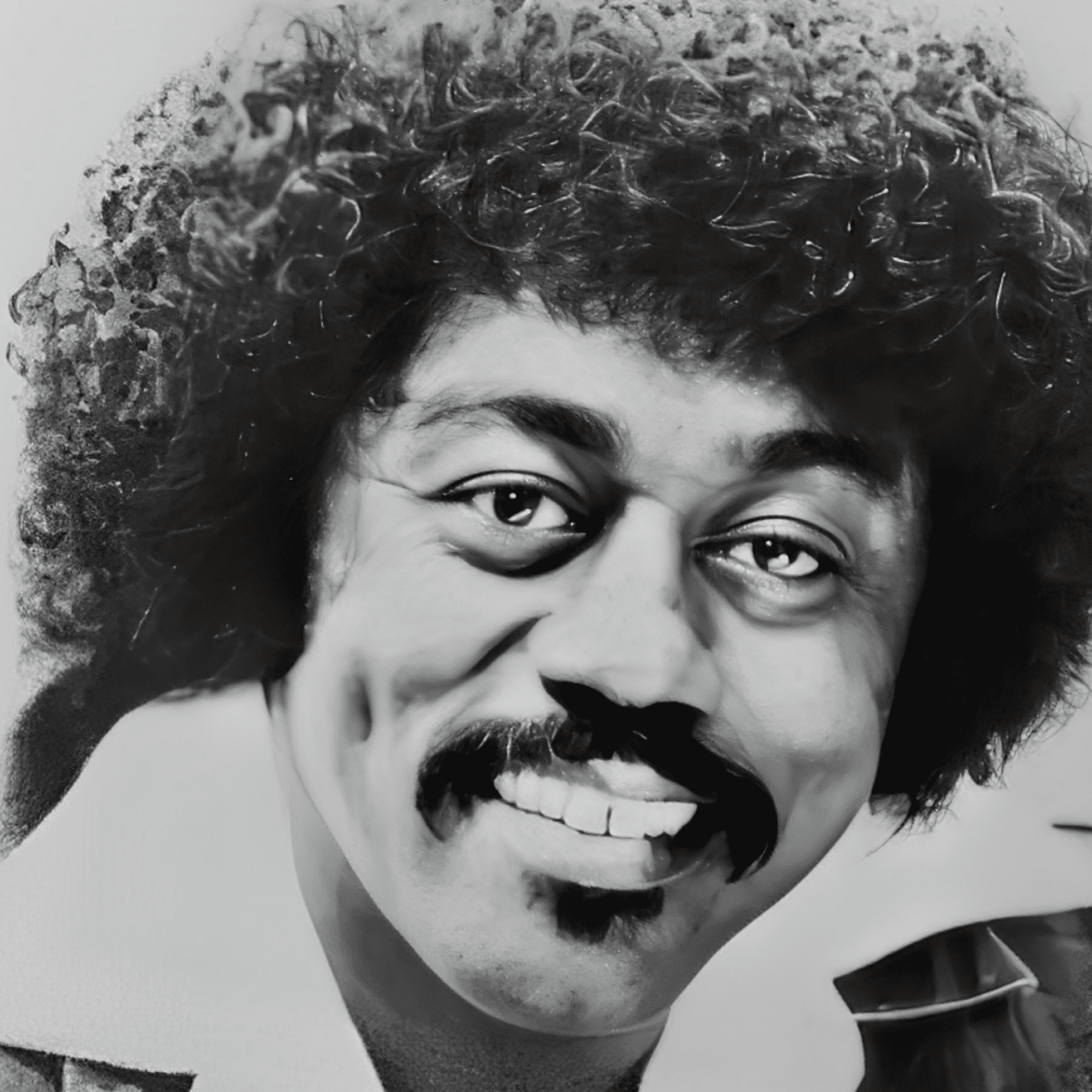
Johnny TaylorJohnny Taylor’s rich, gospel-infused vocals and charismatic stage presence made him a favorite at the Big 10 Ballroom. From blues to soul and funk, his versatility shined, captivating Tulsa audiences with hits like “Who’s Making Love.”
The SpinnersThe Spinners’ smooth harmonies and infectious rhythms brought the crowd to their feet at the Big 10 Ballroom. With their signature blend of soul and R&B, the group delivered unforgettable performances of hits like “I’ll Be Around,” leaving Tulsa audiences swaying and singing along. Their polished sound and dynamic energy made every appearance a celebration of classic soul.
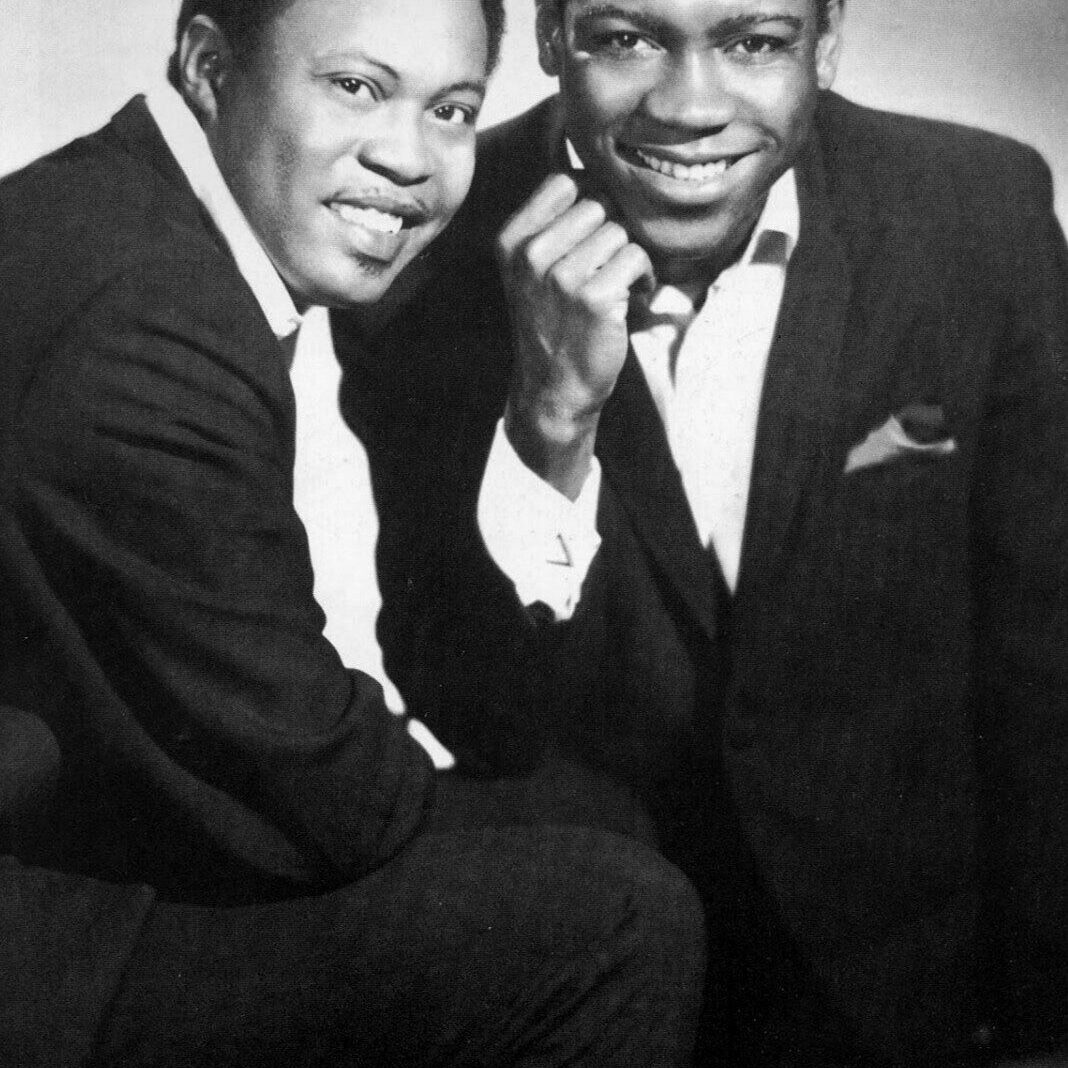
Same & DaveSam and Dave electrified the Big 10 Ballroom with their powerful vocals and high-octane stage show. Known for their dynamic chemistry and soulful anthems like “Soul Man,” the duo kept Tulsa audiences dancing all night. Their energetic performances and heartfelt delivery made every appearance an unforgettable celebration of soul music.
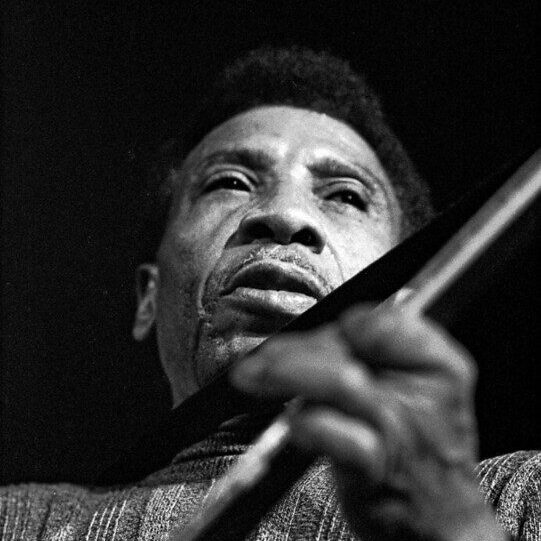
T-Bone WalkerT-Bone Walker’s groundbreaking guitar work and smooth vocals lit up the Big 10 Ballroom stage. Renowned for classics like “Stormy Monday,” he mesmerized Tulsa audiences with his effortless blend of blues and jazz. His charismatic presence and innovative style made each performance a masterclass in electric blues.
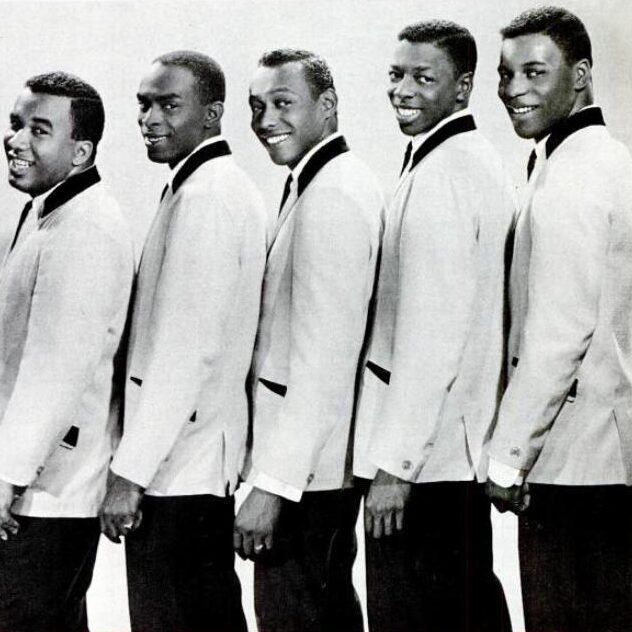
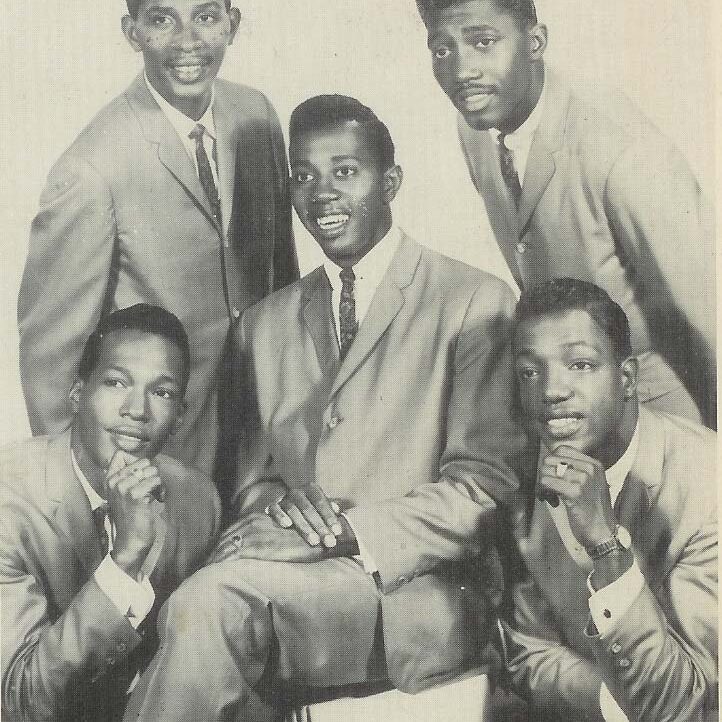
The TemptationsThe Original Temptations brought their legendary harmonies and slick choreography to the Big 10 Ballroom, enchanting Tulsa audiences with timeless hits like “My Girl.” Their magnetic stage presence and soulful sound turned every performance into a celebration, leaving the crowd spellbound by the magic of Motown.
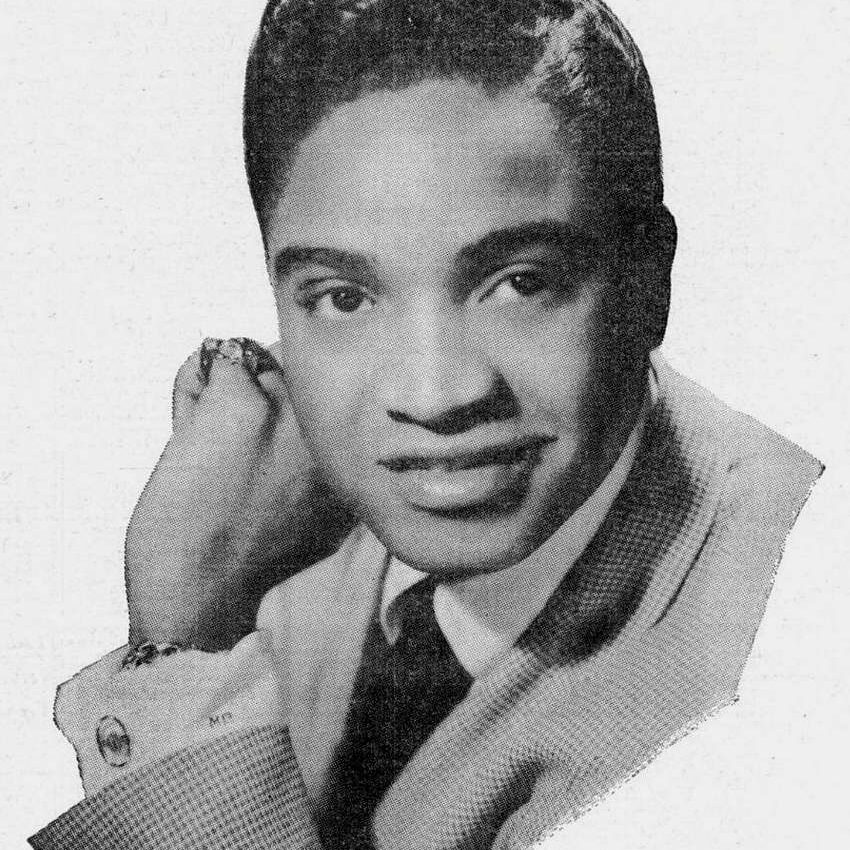
Jackie WilsonJackie Wilson’s electrifying voice and dynamic showmanship set the Big 10 Ballroom ablaze. With unforgettable performances of hits like “(Your Love Keeps Lifting Me) Higher and Higher,” he thrilled Tulsa audiences, dazzling them with his powerful vocals and energetic stage moves. Every appearance was a testament to his status as one of soul’s true superstars.
- « Previous
- 1
- 2
- 3
- Next »